Geisha Coffee: Rare Coffee Variety Originating from Ethiopia
Gesha or Geisha coffee originates from the Ethiopian Gori Gesha forest and is one of the most precious and prestigious coffee varieties in the world. Its unique aroma and flavor make it highly regarded among coffee enthusiasts globally, featuring enchanting floral notes, fruity undertones, and a tea-like sensation. If you wish to delve deeper into these delicate flavors, we sincerely invite you to visit Houyun Coffee and enjoy a carefully brewed cup of Gesha coffee.
How to Make Coffee Geisha
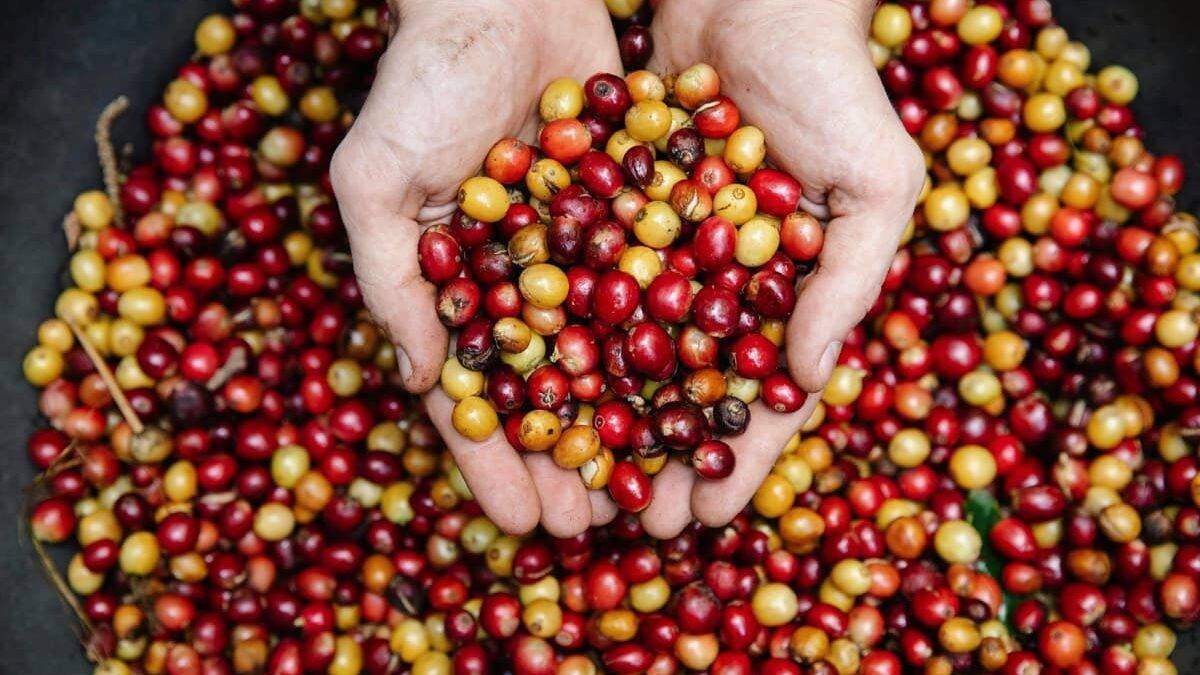
Making geisha coffee requires meticulous craftsmanship and strict quality control. First, select ripe coffee cherries and hand-pick them to ensure quality. Next, depending on the different processing methods, either wet or dry processing may be used.
Wet processing of coffee typically has clearer acidity and bright fruit aromas
Dry processing may present richer fruit flavors and sweetness
During the roasting process, geisha coffee is usually lightly roasted to preserve its delicate flavor characteristics. The roaster needs to precisely control the temperature and time to highlight its floral and fruity notes.
Ethiopian Geisha Coffee
Ethiopia is considered the birthplace of coffee, and Geisha coffee originates from the Gori Gesha forest in that country. This coffee variety is known locally as Gesha and later referred to as Geisha in other regions. Its unique flavor and aroma have earned it a place in the global coffee scene.
Panama’s Geisha Coffee
Although Geisha coffee originates from Ethiopia, Panama’s Geisha coffee is also renowned for its exceptional quality. Panama’s Geisha coffee typically has bright acidity, floral notes, and fruity aromas, with a tea-like mouthfeel. These characteristics have made it a frequent award winner in international coffee competitions.
We invite you to taste Geisha coffee in Kaohsiung
We sincerely invite you to visit Houyun Coffee located in Kaohsiung to personally taste our selected Geisha coffee. Whether you are a coffee enthusiast or a beginner, our professional team will provide you with the best tasting experience, allowing you to gain a deeper understanding of the unique charm of Geisha coffee.
1. Preface: Coffee is not just a beverage, but a culture
For tea culture-loving Taiwanese people, coffee may just be an everyday beverage for refreshment. But in Ethiopia — the largest coffee-producing country in Africa and also the birthplace of coffee — coffee represents a deeper meaning.
This land has nurtured the world’s most precious Arabica native coffee, whose cultural traditions, like the Eastern tea ceremony, blend etiquette, social interaction, and spiritual symbolism. Here, coffee is not just a flavor; it is the soul of life.
2. Buna Tetu — Let’s Drink Coffee Together
In Ethiopia, the most commonly heard phrase is: “Buna Tetu,” which means “let’s drink coffee together.” There is also a proverb: “Buna dabo naw,” meaning “coffee is our bread,” symbolizing the importance of coffee to the people.
Inviting others to drink coffee is like inviting them to a family gathering; it is a great honor.
3. Daily Three Times Sacred Ritual
In Ethiopia, coffee ceremonies are usually held three times a day: in the morning, at noon, and in the evening. The entire process lasts two to three hours and includes the following steps:
Prepare the space: lay down grass and flowers, burn incense.
Roast the green beans: the hostess hand-roasts in a cast iron pan.
Grind: use a wooden mortar and pestle to crush by hand.
Brewing: place in a clay pot (jebena) and brew three times.
Share: pour into small cups to serve guests.
Talk: discuss family, community, and life.
This is a conversation of the soul, not just an enjoyment of beverages.
4. The Role of Women in Rituals
Coffee ceremonies are usually hosted by women in the home, regarded as an honor and responsibility. They control the rhythm and atmosphere of the entire ceremony. Each cup of coffee symbolizes the warmth of the family.
5. Social and Spiritual Significance
Participating in a coffee ceremony is a social behavior and also a form of meditation. It symbolizes unity, peace, and sharing, and is seen as a bridge that maintains community feelings.
6. The Role of Coffee in Ethiopian Life
“Coffee is our bread” is not just a metaphor. For Ethiopians, coffee is daily spiritual nourishment. Whether noble or farmer, everyone participates in this tradition.
In ancient times, travelers would mix coffee beans with cream or animal fat to form small balls, serving as a source of energy during long journeys. This demonstrates coffee’s dual role in both physiological and cultural aspects: nourishing the body as well as the spirit.
7. Why Ethiopia is the Origin of Coffee
The name of coffee “Coffee” comes from the region of “Kaffa” in southwestern Ethiopia. This area has wild Arabica native species, which have a history of thousands of years.
The unique altitude (1,800–2,200 meters), climate, and soil conditions make Ethiopian coffee rich in flavor complexity, with bright acidity and clean, delicate taste.
8. Conclusion: Cultural Taste
For tea-drinking Taiwanese people, Ethiopian coffee culture is like another spiritual feast. It shows us that coffee is not only a taste experience but also an extension of culture and life.
9. Together with Aftertone Coffee, savor the soul of Ethiopia
Houyun Coffee believes that coffee, like tea, is an art worth savoring in tranquility. We bring this cultural depth to Taiwan and invite you to personally experience another kind of coffee aesthetics.
Explore more specialty coffee from the origin of coffee → houyuncoffee.com
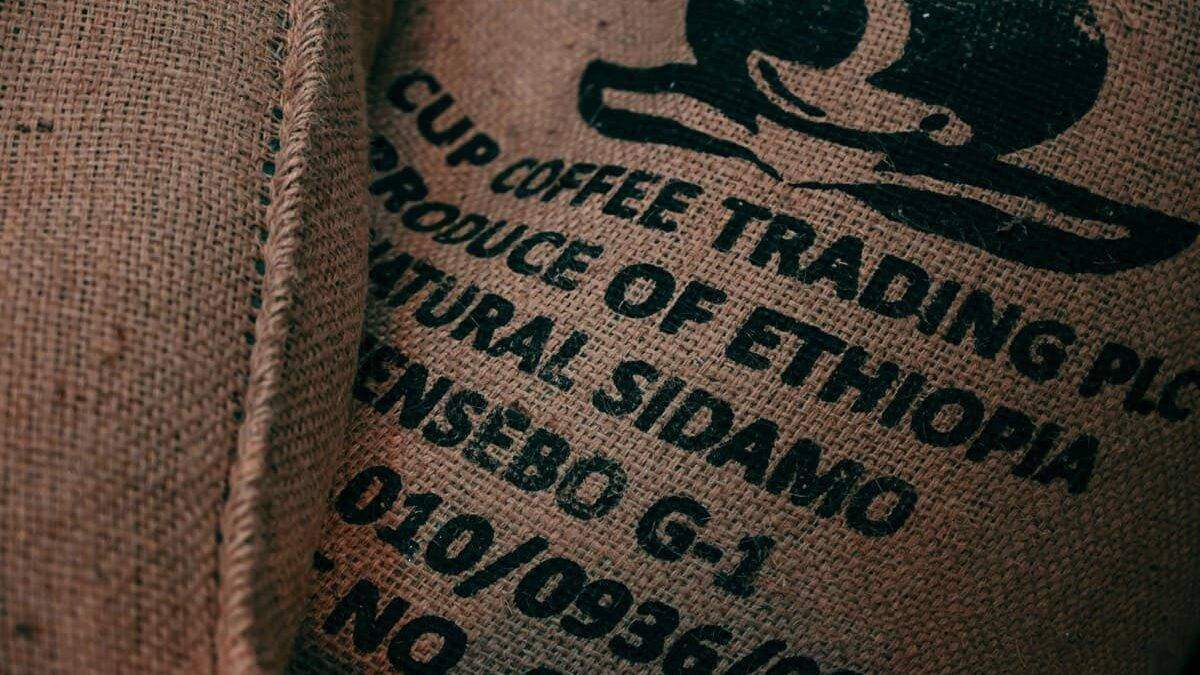
Ethiopian Coffee Region Guide: Explore Yirgacheffe, Sidamo, and Guji’s Specialty Flavors
Ethiopia is not only the birthplace of coffee but also has a deep coffee culture tradition akin to tea ceremonies. The unique high-altitude climate of this land and the indigenous Arabica coffee (Arabica / indigenous) nurture a variety of specialty coffee styles. Each production area and each processing method represents a unique taste art.
Features: Yirgacheffe is located in the southern part of Sidamo and is the most representative specialty coffee region. It has a clean flavor and silky mouthfeel, akin to the fragrant elegance of high mountain oolong tea. The subregion Gedeb is known for its honey-like sweetness and fruity aroma, offering a richer complexity.
Sidamo — Classic Balance
Flavor characteristics: berry, chocolate, fruit aroma
Processing method: sun-dried and washed simultaneously
Features: Sidamo has fertile volcanic soil and is one of the oldest coffee-producing regions. Sun-dried beans have a rich fruit aroma with flavors of blueberry and strawberry; washed beans exhibit a refreshing acidity and balanced structure, similar to the delicate layers of Oriental Beauty tea.
Processing methods: washed, sun-dried, and honey processed
Sub-region characteristics:
Hambela: balanced floral and fruity aroma, silky mouthfeel
Uraga: bright acidity, with a tea-like sensation
Shakiso: wild flavor, rich in exotic spices and fermented fruit aroma
Guji belongs to Sidamo and has recently become an independent region due to its outstanding flavor profile, making it a favorite among specialty coffee enthusiasts.
Characteristics: showcases purity and transparency, similar to the clarity of green tea
Sun-Dried Processing — Rich Like Black Tea
Flavor: Berry, Chocolate, Fermented Fruit Aroma
Characteristics: Rich Aroma, Full-bodied Taste, Complex Layers, Smooth like Black Tea
Honey Processing — Sweet and Smooth Balance
Flavor: honey, fruit aroma, light acidity
Characteristics: between washed and sun-dried, gentle sweetness, smooth mouthfeel
3. How to Taste and Brew
Tasting Steps
Smell the aroma: experience floral, fruity, and honey scents
Taste the acidity: pay attention to the balance of brightness and softness
Experience the finish: feel the tea sensation and chocolate-like aftertaste
Recommended Brewing Methods
Pour-over: best showcases the floral aroma and refreshing acidity of Yirgacheffe
French press: suitable for Sidamo and Guji, enhances fruitiness and body
Espresso machine: emphasizes chocolate and honey sweetness
4. Conclusion: For you who loves tea, discover another beauty of coffee
For tea culture-loving Taiwanese people, savoring Ethiopian coffee is like embarking on a new taste exploration. From the floral elegance of Yirgacheffe to the layered fruitiness of Guji, specialty coffee, much like top-quality tea leaves, possesses rich terroir, delicate craftsmanship, and a depth worth savoring in tranquility.
Coffee is not just a refreshing beverage — it is, like tea, an art, a culture, and a pursuit of quality.
5. Aftertaste Coffee: Inviting tea lovers like you to savor the beauty of coffee
Houyun Coffee believes that coffee, like tea, deserves to be savored. We carefully select Ethiopian native specialty beans and treat each coffee bean with the same attitude we have towards tea leaves, bringing this ancient flavor to Taiwan. Let you, who loves tea, also discover the same quality and charm in coffee.
Kenyan Coffee: From Highland Soil to Your Coffee Cup
Summary
Kenyan coffee is known for its bright acidity, rich fruit aroma, and multi-layered flavor. In Taiwan, tea culture is more prevalent, and its history and production techniques are relatively unknown. From producer stories and processing methods to brewing techniques and brand values, this guide fully showcases the charm of Kenyan coffee.
The story of Kenyan coffee began in the late 19th century when missionaries introduced coffee plants to the Kenyan highlands. During the colonial period and after independence, coffee gradually became an important export crop.
In 1933, the Kenyan government established the Coffee Board, implementing an auction system and grading standards, laying the foundation for Kenya’s reputation for high-quality coffee in the global market.
2. Small Farmers, Cooperatives, and Origin Stories
In Kenya, most coffee is grown by small farmers. They send the coffee cherries to cooperatively operated washing stations for fermentation and drying. This system ensures that farmers receive fair returns while maintaining flavor traceability, giving each cup of coffee a unique regional character.
For example, the Karimikui factory belongs to the Rungeto farmers’ cooperative, carefully managing every step from washing, fermentation, drying to packaging, ensuring the coffee has a clean and bright taste. Karimikui AA typically presents bright citrus acidity, blackberry aroma, and honey sweetness, reflecting the unique style of the Kenyan highlands.
Just like enjoying high-quality tea leaves in Taiwan, tasting Kenyan coffee is not only a sensory delight but also a connection with the land, culture, and people.
3. Grades, Varieties, and Processing Methods
Grade: Kenyan AA
“AA” is the most famous grade of Kenyan coffee, representing large and dense coffee beans (usually above size 18). This grade of coffee has concentrated flavors and bright acidity, making it extremely popular in international auctions. Thick Rhythm Coffee invites you to experience the rich flavors and high quality of Kenyan AA beans at our Kaohsiung store.
Varieties: SL-28, SL-34, and new generation varieties
Classic Kenyan varieties such as SL-28 and SL-34 are known for their bright fruit acidity and clean sweetness. Emerging varieties like Ruiru 11 and Batian combine disease resistance with stable yields, showcasing the spirit of continuous innovation in Kenyan coffee.
Processing Method: Washed and Double Fermented
Kenyan coffee is characterized by “double fermented washed.” After the pulp is removed, the cherries undergo two rounds of fermentation and multiple washings, and finally dry on drying beds, resulting in brighter acidity and a clean taste.
4. Flavor Characteristics and Tasting Experience
Kenyan coffee is known for its complex layers and bright acidity. Common flavors include: – blackcurrant, raspberry, citrus, lemon – honey sweetness, brown sugar aroma – vivid fruit acidity, long-lasting sweetness – refreshing and layered fruit fragrance
For example, coffee beans from the Nyeri region typically have grapefruit and blackberry flavors, while beans from the Kirinyaga region may exhibit tomato acidity and a hint of floral aroma. These differences stem from climate, soil, and processing details, making Kenyan coffee captivating.
Thick Rhythm Coffee showcases these flavors through precise roasting. Each sip allows you to taste the bright, refreshing fruit aroma and the delicate, smooth texture.
5. Brewing Perfect Kenyan Coffee at Home
Kenyan coffee is suitable for hand brewing methods, highlighting its fruity aroma and fragrance. Suggested parameters:
Method
Coffee to Water Ratio
Water Temperature
Brewing Time
Grind Size
V60 Pour Over
1:15–1:17
90–94°C
2.5–3.5 minutes
Medium-Fine
Pour Over Kettle
Same as above
About 92°C
About 3 minutes
Medium
Aeropress
1:14–1:16
93°C
About 2 minutes
Fine
It is recommended to use freshly ground coffee beans, preheat the equipment, wet the filter paper first, pour water in stages, and allow for proper blooming. These steps can help the fruity aroma and sweetness of the Kenyan beans to be more clearly presented.
6. Why Choose Thick Rhythm Coffee
Source Transparency, Quality Assurance Each batch of Kenyan coffee beans is labeled with the farm, altitude, processing method, and roasting date, ensuring traceable flavor.
Freshly Baked, Pure Flavor Using nitrogen-sealed packaging to maintain freshness, ensuring that every sip delivers the most authentic flavor.
Knowledge and Experience Combined We do not just sell coffee; we also provide brewing lessons, flavor notes, and cultural stories, allowing each customer to truly understand the value of “good coffee.” At our Kaohsiung store, we offer tasting experiences and invite you to explore the layers and aromas of Kenyan coffee. From bright fruit acidity to honey sweetness, you can fully experience the richness of coffee.
From Tea Culture to Coffee Culture Taiwanese people’s respect for tea can naturally extend to coffee. Thick Rhythm Coffee hopes to become a bridge, allowing more people to discover that coffee, like tea, is worthy of careful appreciation and tasting.
7. Conclusion
A cup of Kenyan coffee connects the African highlands, the farmers’ efforts, and the passage of time. When you brew that bright, fruity coffee in Taiwan, you resonate with the land on the other side of the world.
I hope this cup of coffee is not just a daily pick-me-up; it is a journey through flavors, cultures, and human connections.