Kenyan Coffee: From Highland Soil to Your Coffee Cup
Summary
Kenyan coffee is known for its bright acidity, rich fruit aroma, and multi-layered flavor. In Taiwan, tea culture is more prevalent, and its history and production techniques are relatively unknown. From producer stories and processing methods to brewing techniques and brand values, this guide fully showcases the charm of Kenyan coffee.
Table of Contents
- The origins and history of Kenyan coffee
- Stories of small farmers, cooperatives, and origins
- Grades, varieties, and processing methods
- Flavor characteristics and cupping experience
- Brewing perfect coffee at home
- Why choose Thick Rhythm Coffee
- Conclusion
1. The Origins and History of Kenyan Coffee
The story of Kenyan coffee began in the late 19th century when missionaries introduced coffee plants to the Kenyan highlands. During the colonial period and after independence, coffee gradually became an important export crop.
In 1933, the Kenyan government established the Coffee Board, implementing an auction system and grading standards, laying the foundation for Kenya’s reputation for high-quality coffee in the global market.
2. Small Farmers, Cooperatives, and Origin Stories
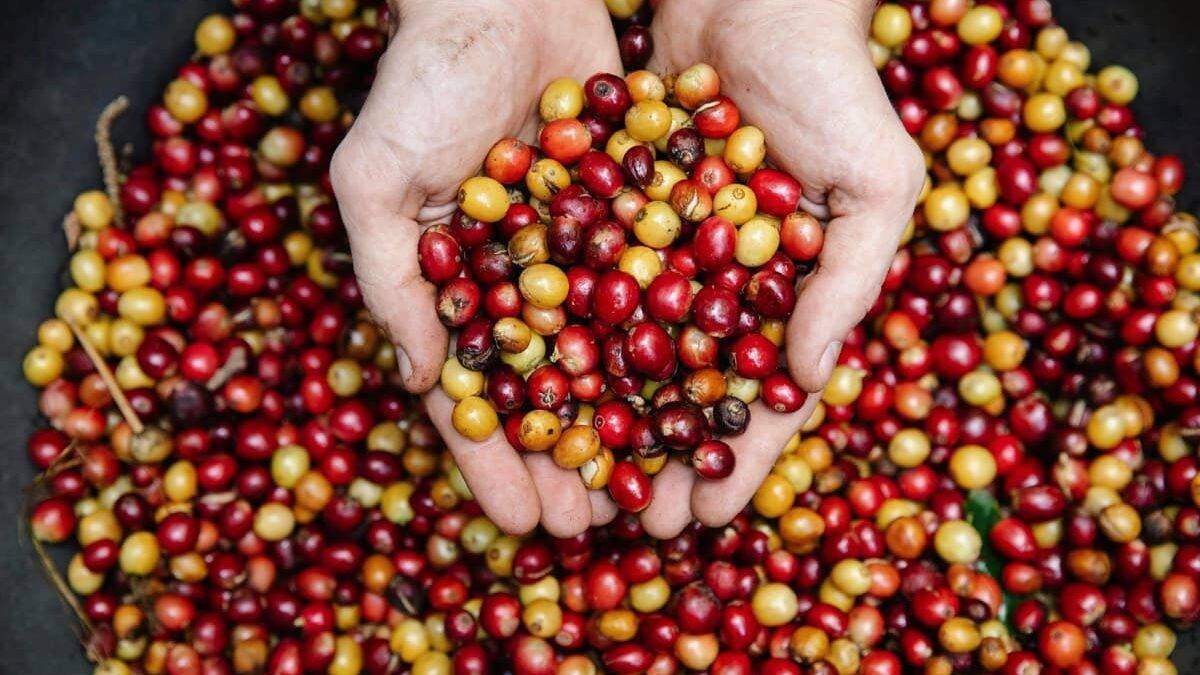
In Kenya, most coffee is grown by small farmers. They send the coffee cherries to cooperatively operated washing stations for fermentation and drying. This system ensures that farmers receive fair returns while maintaining flavor traceability, giving each cup of coffee a unique regional character.
For example, the Karimikui factory belongs to the Rungeto farmers’ cooperative, carefully managing every step from washing, fermentation, drying to packaging, ensuring the coffee has a clean and bright taste. Karimikui AA typically presents bright citrus acidity, blackberry aroma, and honey sweetness, reflecting the unique style of the Kenyan highlands.
Just like enjoying high-quality tea leaves in Taiwan, tasting Kenyan coffee is not only a sensory delight but also a connection with the land, culture, and people.
3. Grades, Varieties, and Processing Methods
Grade: Kenyan AA
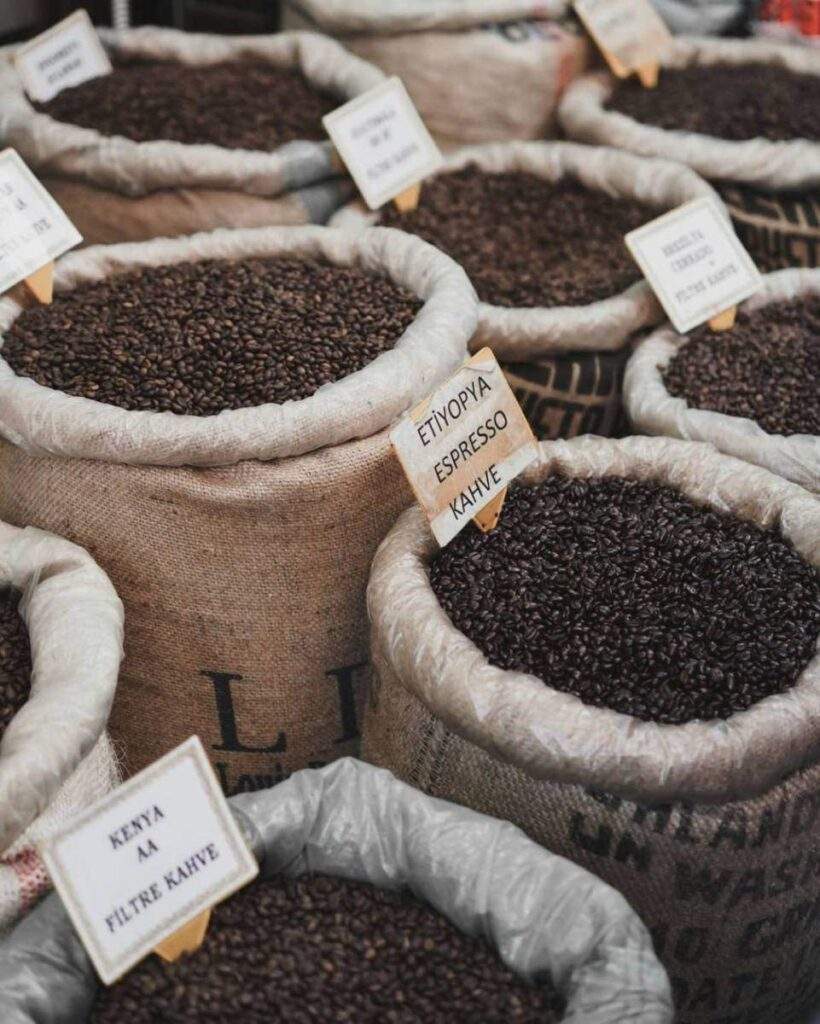
“AA” is the most famous grade of Kenyan coffee, representing large and dense coffee beans (usually above size 18). This grade of coffee has concentrated flavors and bright acidity, making it extremely popular in international auctions. Thick Rhythm Coffee invites you to experience the rich flavors and high quality of Kenyan AA beans at our Kaohsiung store.
Varieties: SL-28, SL-34, and new generation varieties
Classic Kenyan varieties such as SL-28 and SL-34 are known for their bright fruit acidity and clean sweetness. Emerging varieties like Ruiru 11 and Batian combine disease resistance with stable yields, showcasing the spirit of continuous innovation in Kenyan coffee.
Processing Method: Washed and Double Fermented
Kenyan coffee is characterized by “double fermented washed.” After the pulp is removed, the cherries undergo two rounds of fermentation and multiple washings, and finally dry on drying beds, resulting in brighter acidity and a clean taste.
4. Flavor Characteristics and Tasting Experience
Kenyan coffee is known for its complex layers and bright acidity. Common flavors include: – blackcurrant, raspberry, citrus, lemon – honey sweetness, brown sugar aroma – vivid fruit acidity, long-lasting sweetness – refreshing and layered fruit fragrance
For example, coffee beans from the Nyeri region typically have grapefruit and blackberry flavors, while beans from the Kirinyaga region may exhibit tomato acidity and a hint of floral aroma. These differences stem from climate, soil, and processing details, making Kenyan coffee captivating.
Thick Rhythm Coffee showcases these flavors through precise roasting. Each sip allows you to taste the bright, refreshing fruit aroma and the delicate, smooth texture.
5. Brewing Perfect Kenyan Coffee at Home
Kenyan coffee is suitable for hand brewing methods, highlighting its fruity aroma and fragrance. Suggested parameters:
| Method | Coffee to Water Ratio | Water Temperature | Brewing Time | Grind Size |
|---|---|---|---|---|
| V60 Pour Over | 1:15–1:17 | 90–94°C | 2.5–3.5 minutes | Medium-Fine |
| Pour Over Kettle | Same as above | About 92°C | About 3 minutes | Medium |
| Aeropress | 1:14–1:16 | 93°C | About 2 minutes | Fine |
It is recommended to use freshly ground coffee beans, preheat the equipment, wet the filter paper first, pour water in stages, and allow for proper blooming. These steps can help the fruity aroma and sweetness of the Kenyan beans to be more clearly presented.
6. Why Choose Thick Rhythm Coffee
Source Transparency, Quality Assurance
Each batch of Kenyan coffee beans is labeled with the farm, altitude, processing method, and roasting date, ensuring traceable flavor.
Freshly Baked, Pure Flavor
Using nitrogen-sealed packaging to maintain freshness, ensuring that every sip delivers the most authentic flavor.
Knowledge and Experience Combined
We do not just sell coffee; we also provide brewing lessons, flavor notes, and cultural stories, allowing each customer to truly understand the value of “good coffee.” At our Kaohsiung store, we offer tasting experiences and invite you to explore the layers and aromas of Kenyan coffee. From bright fruit acidity to honey sweetness, you can fully experience the richness of coffee.
From Tea Culture to Coffee Culture
Taiwanese people’s respect for tea can naturally extend to coffee. Thick Rhythm Coffee hopes to become a bridge, allowing more people to discover that coffee, like tea, is worthy of careful appreciation and tasting.
7. Conclusion
A cup of Kenyan coffee connects the African highlands, the farmers’ efforts, and the passage of time. When you brew that bright, fruity coffee in Taiwan, you resonate with the land on the other side of the world.
I hope this cup of coffee is not just a daily pick-me-up; it is a journey through flavors, cultures, and human connections.