
Ethiopian Coffee Ceremony: Exploring the Culture and Spirit of the Coffee Origin
Explore the culture, rituals, and significance of Ethiopian coffee. HouYun Coffee takes you deep into the soulful story behind this cup of coffee.
Table of Contents
- Preface: Coffee is not just a beverage, but a culture
- Buna Tetu — Let’s drink coffee together
- The sacred ritual three times a day
- The role of women in the ritual
- Social and spiritual significance
- The status of coffee in Ethiopian life
- Why Ethiopia is the origin of coffee
- Conclusion: The taste of culture
- With aftertaste coffee, savor the soul of Ethiopia
1. Preface: Coffee is not just a beverage, but a culture
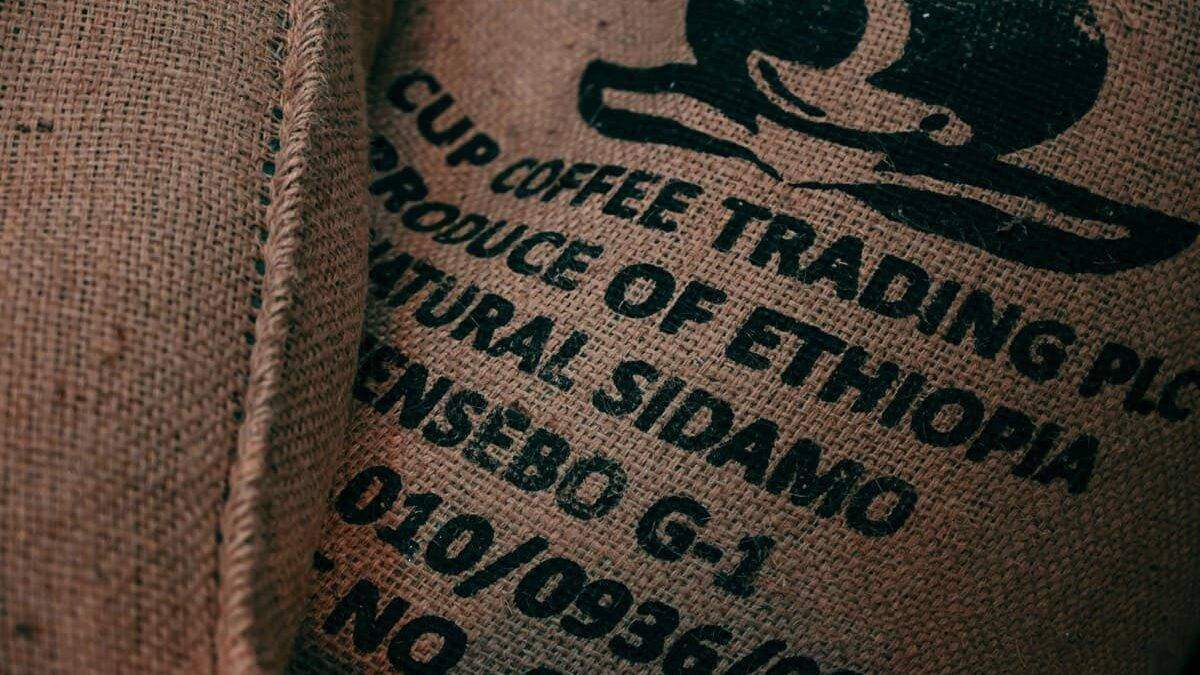
For tea culture-loving Taiwanese people, coffee may just be an everyday beverage for refreshment. But in Ethiopia — the largest coffee-producing country in Africa and also the birthplace of coffee — coffee represents a deeper meaning.
This land has nurtured the world’s most precious Arabica native coffee, whose cultural traditions, like the Eastern tea ceremony, blend etiquette, social interaction, and spiritual symbolism. Here, coffee is not just a flavor; it is the soul of life.
2. Buna Tetu — Let’s Drink Coffee Together
In Ethiopia, the most commonly heard phrase is: “Buna Tetu,” which means “let’s drink coffee together.” There is also a proverb: “Buna dabo naw,” meaning “coffee is our bread,” symbolizing the importance of coffee to the people.
Inviting others to drink coffee is like inviting them to a family gathering; it is a great honor.

3. Daily Three Times Sacred Ritual
In Ethiopia, coffee ceremonies are usually held three times a day: in the morning, at noon, and in the evening. The entire process lasts two to three hours and includes the following steps:
- Prepare the space: lay down grass and flowers, burn incense.
- Roast the green beans: the hostess hand-roasts in a cast iron pan.
- Grind: use a wooden mortar and pestle to crush by hand.
- Brewing: place in a clay pot (jebena) and brew three times.
- Share: pour into small cups to serve guests.
- Talk: discuss family, community, and life.
This is a conversation of the soul, not just an enjoyment of beverages.
4. The Role of Women in Rituals
Coffee ceremonies are usually hosted by women in the home, regarded as an honor and responsibility. They control the rhythm and atmosphere of the entire ceremony. Each cup of coffee symbolizes the warmth of the family.
5. Social and Spiritual Significance
Participating in a coffee ceremony is a social behavior and also a form of meditation. It symbolizes unity, peace, and sharing, and is seen as a bridge that maintains community feelings.
6. The Role of Coffee in Ethiopian Life
“Coffee is our bread” is not just a metaphor. For Ethiopians, coffee is daily spiritual nourishment. Whether noble or farmer, everyone participates in this tradition.
In ancient times, travelers would mix coffee beans with cream or animal fat to form small balls, serving as a source of energy during long journeys. This demonstrates coffee’s dual role in both physiological and cultural aspects: nourishing the body as well as the spirit.
7. Why Ethiopia is the Origin of Coffee
The name of coffee “Coffee” comes from the region of “Kaffa” in southwestern Ethiopia. This area has wild Arabica native species, which have a history of thousands of years.
The unique altitude (1,800–2,200 meters), climate, and soil conditions make Ethiopian coffee rich in flavor complexity, with bright acidity and clean, delicate taste.
8. Conclusion: Cultural Taste
For tea-drinking Taiwanese people, Ethiopian coffee culture is like another spiritual feast. It shows us that coffee is not only a taste experience but also an extension of culture and life.
9. Together with Aftertone Coffee, savor the soul of Ethiopia
Houyun Coffee believes that coffee, like tea, is an art worth savoring in tranquility. We bring this cultural depth to Taiwan and invite you to personally experience another kind of coffee aesthetics.
Explore more specialty coffee from the origin of coffee → houyuncoffee.com