HouYun Coffee: We believe that consistent quality is more important than anything else
In Kaohsiung, there is a small coffee roasting studio. There is no fancy decor, nor meticulously designed photo spots, just two people—a father and son.
Our Story
We are HouYun Coffee. Most of our daily work revolves around roasting beans and sharing. My father focuses on the roasting process, while I care about the flavor and our customers. Sometimes we sit down together and enjoy a freshly roasted cup of coffee with our guests, listening to their impressions. Because we believe that truly good taste is not something we claim ourselves, but something we discover together.
Our Philosophy
We always believe that stable quality is more important than anything else. Whether a cup of coffee can be remembered depends not on a fancy aroma, but on that familiar taste that can reassure people every time.
Our Flavor
“HouYun” is the part we care about the most. It is the aroma that lingers on the tip of the tongue after the first sip, the balance remembered after finishing. This flavor requires time, experience, and respect for the fire.
Studio Daily Life
Our studio is not large, sometimes when you come, we are just roasting beans, and sometimes we are just brewing a pot of coffee, chatting with customers about the taste. There aren’t many decorations, but there is a genuine aroma.
Visitor Information
📍 Kaohsiung ・ HouYun Coffee (By appointment, but you can also try your luck)
Geisha coffee: A rare coffee variety originating from Ethiopia
Geisha coffee (Gesha or Geisha) originates from the Gori Gesha forest in Ethiopia and is one of the most precious and prestigious coffee varieties in the world. Its unique aroma and flavor make it highly regarded among coffee enthusiasts globally, with enchanting floral, fruity, and tea-like notes. If you wish to experience these delicate flavors more deeply, we sincerely invite you to visit Houyun Coffee and savor a meticulously brewed cup of Geisha coffee.
How to Make Geisha Coffee
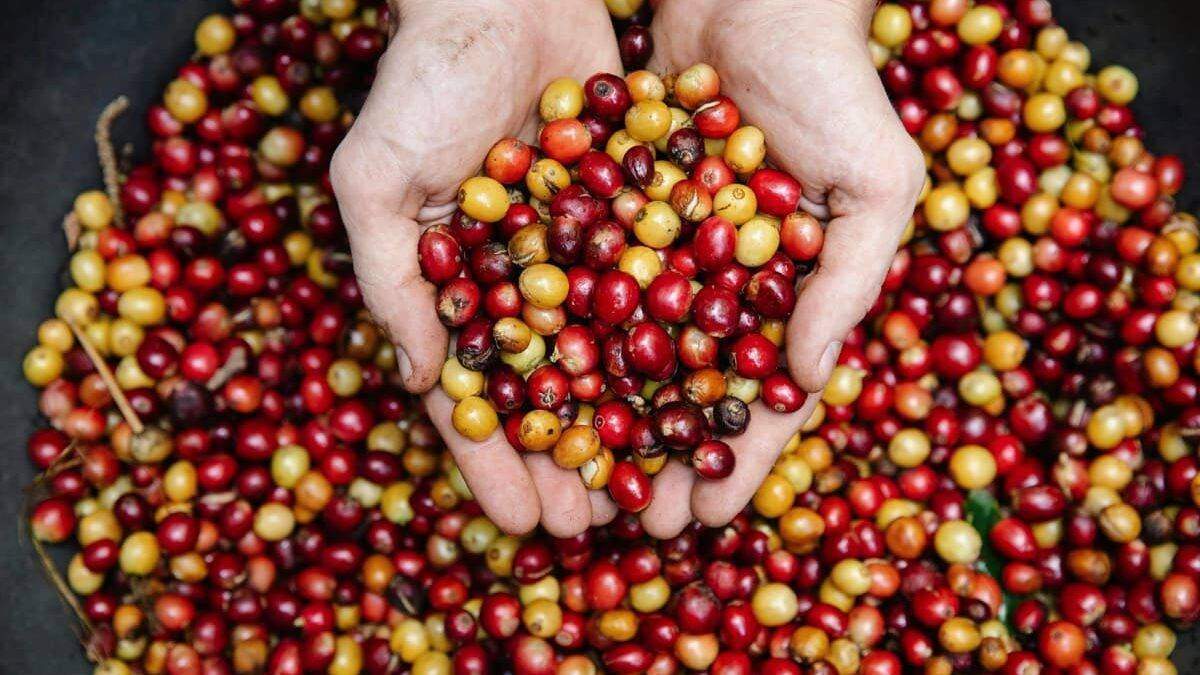
Making Geisha coffee requires meticulous craftsmanship and strict quality control. First, select ripe coffee cherries and handpick them to ensure quality. Then, depending on the processing method, either wet or dry processing may be used.
Coffee processed by the wet method usually has clearer acidity and bright fruit aroma
The dry method may present richer fruit flavor and sweetness
During the roasting process, Geisha coffee is usually lightly roasted to preserve its delicate flavor characteristics. Roasters need to precisely control temperature and time to highlight its floral and fruity notes.
Ethiopian Geisha coffee
Ethiopia is considered the birthplace of coffee, and Geisha coffee originates from the Gori Gesha forest in that country. This coffee variety is known locally as Gesha, and later became known as Geisha in other regions. Its unique flavor and aroma have earned it a place in the global coffee community.
Panamanian Geisha coffee
Although Geisha coffee originated in Ethiopia, Panama’s Geisha coffee is also renowned for its exceptional quality. Panama’s Geisha coffee typically has a bright acidity, floral and fruity aromas, and a tea-like mouthfeel. These characteristics have earned it numerous awards in international coffee competitions.
Invite You to Taste Geisha Coffee in Kaohsiung
We sincerely invite you to visit Houyun Coffee located in Kaohsiung to personally taste our selected Geisha coffee. Whether you are a coffee enthusiast or a beginner, our professional team will provide you with the best tasting experience, allowing you to gain a deeper understanding of the unique charm of Geisha coffee.
Ethiopian Coffee Ceremony: Exploring the Culture and Spirit of the Coffee Origin
Explore the culture, rituals, and life significance of Ethiopian coffee. HouYun Coffee takes you deep into the soulful story behind this cup of coffee.
1. Preface: Coffee is not just a beverage, it is a culture
For Taiwanese people who love tea culture, coffee may just be a daily beverage for staying alert. But in Ethiopia—the largest coffee-producing country in Africa and also the birthplace of coffee—coffee represents a deeper meaning.
This land has nurtured the world’s most precious Arabica native coffee, with a cultural tradition akin to the tea ceremony of the East, blending etiquette, social interaction, and spiritual symbolism. Here, coffee is not just a flavor, but the soul of life.
2. Buna Tetu — Let’s drink coffee together
In Ethiopia, the most commonly heard phrase is: “Buna Tetu,” which means “Let’s drink coffee together.” There is also a proverb: “Buna dabo naw,” meaning “Coffee is our bread,” symbolizing the importance of coffee to the people.
Inviting others to share a coffee is like inviting them to a family gathering; it is a great honor.
3. The Sacred Ritual Three Times a Day
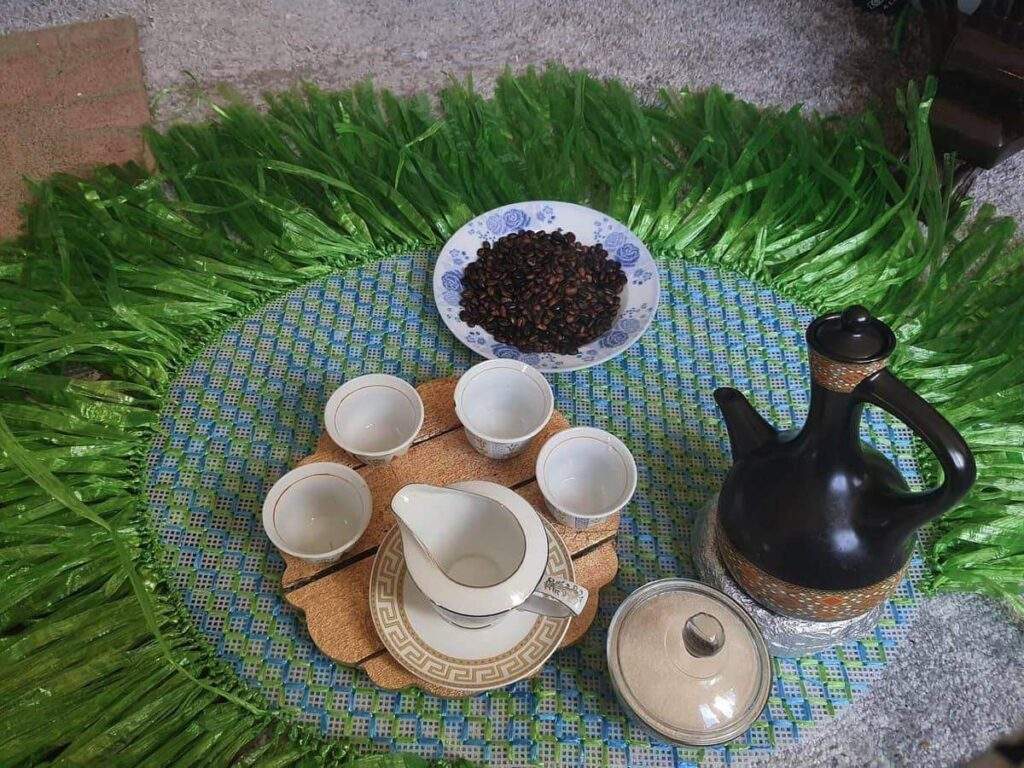
In Ethiopia, a coffee ceremony is usually held three times a day: morning, noon, and evening. The entire process lasts two to three hours and includes the following steps:
Prepare space: Lay grass and flowers, burn incense.
Roast raw beans: The hostess hand roasts on an iron pan.
Grind: Manually crush using a wooden mortar.
Brew: Place in a clay pot (jebena) and brew three times.
Share: Pour into small cups to serve guests.
Converse: Discuss family, community, and life.
This is a conversation of the soul, not just the enjoyment of a drink.
4. The Role of Women in Ceremonies
The coffee ceremony is usually hosted by the women of the household and is regarded as an honor and responsibility. They control the rhythm and atmosphere of the entire ceremony. Each cup of coffee is a symbol of the family’s warmth.
5. Social and Spiritual Significance
Participating in a coffee ceremony is a social activity and a form of meditation. It symbolizes unity, peace, and sharing, and is regarded as a bridge to maintain community bonds.
6. The Role of Coffee in Ethiopian Life
“Coffee is our bread” is not just a metaphor. For Ethiopian people, coffee is a daily spiritual nourishment. Whether nobles or farmers, everyone participates in this tradition.
In ancient times, travelers would mix coffee beans with cream or animal fat to make small balls as a source of energy during long journeys. This demonstrates the dual role of coffee on both the physiological and cultural levels: nourishing the body as well as the soul.
7. Why Ethiopia is the Origin of Coffee
The name of coffee “Coffee” originates from the “Kaffa” region in the southwestern part of Ethiopia. This area is home to wild Arabica native species, with a history of thousands of years.
The unique altitude (1,800–2,200 meters), climate, and soil conditions make Ethiopian coffee have a rich flavor profile, bright acidity, and clean, delicate taste.
8. Conclusion: Cultural Taste
For Taiwanese people accustomed to tea tasting, Ethiopian coffee culture is like another spiritual feast. It shows us that coffee is not only a taste experience but also an extension of culture and life.
9. Savor the Soul of Ethiopia with HouYun Coffee
HouYun Coffee believes that coffee, like tea, is an art worth savoring with mindfulness. We bring this cultural depth to Taiwan, inviting you to personally experience another kind of coffee aesthetics.
Explore more specialty coffee from the birthplace of coffee → houyuncoffee.com
Ethiopian Coffee Region Guide: Explore the Specialty Flavors of Yirgacheffe, Sidamo, and Guji
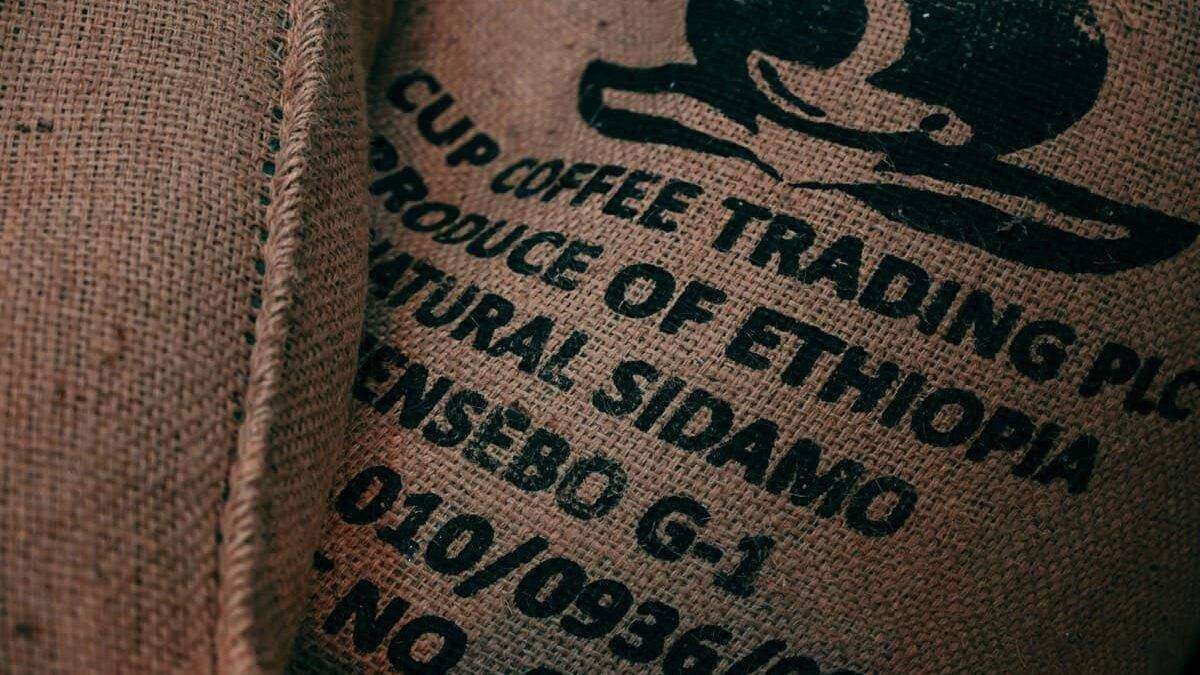
Ethiopia is not only the birthplace of coffee but also has a coffee culture tradition as profound as a tea ceremony. This land’s unique high-altitude climate and native Arabica coffee (Arabica / native species) nurture a variety of specialty coffee styles. Each production area and each processing method represent a unique art of taste.
Features: Yirgacheffe is located in the southern part of Sidamo and is the most representative specialty coffee producing area. Its clean flavor and silky texture are as elegant as the fragrance of high mountain oolong tea. The sub-region Gedeb is renowned for its honey-like sweetness and fruity aroma, offering a richer complexity.
Sidamo — Classic Balance
Flavor Characteristics: Berry, Chocolate, Fruity
Processing Method: Sun-dried and Washed in Parallel
Features: Sidamo has fertile volcanic soil and is one of the oldest coffee-growing regions. Sun-dried beans have a rich fruity aroma with flavors like blueberry and strawberry; washed beans exhibit a refreshing acidity and balanced structure, with delicate layers similar to Oriental Beauty tea.
Processing Methods: Washed, Natural, and Honey Processed
Sub-region Features:
Hambela: Balanced Floral and Fruity, Silky Texture
Uraga: Bright Acidity, Tea-like
Shakiso: Wild Flavor, Rich in Exotic Spices and Fermented Fruit Aroma
Guji originally belonged to Sidamo, but in recent years it has become a separate region due to its outstanding flavor performance, becoming a new favorite among specialty coffee enthusiasts.
2. How Processing Determines Your Coffee Flavor
Water Washing Treatment — Refreshing Like Green Tea
Characteristics: exhibits purity and transparency, similar to the clear taste of green tea
Sun-Drying Process — Rich Like Black Tea
Flavor: Berry, Chocolate, Fermented Fruit Aroma
Features: Full Aroma, Rich Texture, Rich Layers, Rounded Like Black Tea
Honey Processing — Sweet and Balanced
Flavor: honey, fruity aroma, light acidity
Features: between washed and sun-dried, gentle sweetness, smooth texture
3. How to Taste and Brew
Tasting Steps
Smell the aroma: Experience floral, fruity, and honey scents
Taste the acidity: Notice the balance of brightness and smoothness
Taste the finish: Experience the tea-like and chocolate-like aftertaste
Recommended Brewing Method
Pour Over: Best showcases Yirgacheffe’s floral aroma and refreshing acidity
French Press: Suitable for Sidamo and Guji, enhances fruity aroma and body
Espresso Machine: Emphasizes chocolate and honey sweetness
4. Conclusion: For Tea Lovers, Discover Another Beauty of Coffee
For Taiwanese people who love tea culture, savoring Ethiopian coffee is like embarking on a new taste exploration. From the floral elegance of Yirgacheffe to the fruity complexity of Guji, specialty coffee, much like premium tea leaves, possesses rich terroir, delicate craftsmanship, and a depth worth savoring mindfully.
Coffee is not just a refreshing beverage—it is an art, a culture, and a pursuit of quality, just like tea.
5. HouYun Coffee: Inviting Tea Lovers to Savor the Beauty of Coffee
HouYun Coffee believes that coffee, like tea, deserves to be savored. We carefully select Ethiopian native specialty beans and treat each coffee bean with the same care as tea leaves, bringing this ancient flavor to Taiwan. For those who love tea, you can also discover the same quality and charm in coffee.
Kenyan Coffee: From Highland Soil to Your Coffee Cup
Summary
Kenyan coffee is renowned for its bright acidity, rich fruit aroma, and multi-layered flavors. In Taiwan, tea culture is more prevalent, and its history and production techniques are relatively unknown. From producer stories and processing methods to brewing techniques and brand value, this guide fully showcases the charm of Kenyan coffee.
The story of Kenyan coffee began in the late 19th century when missionaries introduced coffee plants to the Kenyan highlands. During the colonial period and after independence, coffee gradually became an important export crop.
In 1933, the Kenyan government established the Coffee Board, implementing an auction system and grading standards, laying the foundation for Kenya’s reputation for high-quality coffee in the global market.
2. Small Farmers, Cooperatives, and Origin Stories
In Kenya, most coffee is grown by small farmers. They send the coffee cherries to cooperative-run washing stations for fermentation and drying. This system ensures that farmers receive fair compensation while maintaining flavor traceability, giving each cup of coffee a unique regional character.
For example, the Karimikui factory is part of the Rungeto Farmers Cooperative, carefully managing each step from washing, fermentation, drying to packaging, ensuring the coffee has a clean and bright taste. Karimikui AA typically presents bright citrus acidity, blackberry aroma, and honey sweetness, reflecting the unique style of the Kenyan highlands.
Just like enjoying quality tea leaves in Taiwan, tasting Kenyan coffee is not only a sensory pleasure but also a connection with the land, culture, and people.
3. Grades, Varieties, and Processing Methods
Grade: Kenya AA “AA” is Kenya’s most famous grade, representing large and high-density coffee beans (usually screened above size 18). This grade of coffee has concentrated flavors and bright acidity, and is highly sought after in international auctions. HouYun Coffee invites you to experience the rich flavors and high quality of Kenya AA beans at our Kaohsiung store.
Varieties: SL-28, SL-34, and New Generation Varieties
Classic Kenyan varieties like SL-28 and SL-34 are known for their bright acidity and clean sweetness. Emerging varieties like Ruiru 11 and Batian combine disease resistance with stable yields, showcasing the spirit of continuous innovation in Kenyan coffee.
Processing Method: Washed and Double Fermentation
Kenyan coffee is characterized by “double fermentation washed.” After the pulp is removed, the cherries undergo two rounds of fermentation and multiple washings, finally drying on raised beds, bringing a brighter acidity and clean taste.
4. Flavor Characteristics and Cupping Experience
Kenyan coffee is famous for its complex layers and bright acidity. Common flavors include: – Blackcurrant, red berry, citrus, lemon – Honey sweetness, brown sugar aroma – Distinct fruit acidity, long-lasting aftertaste – Refreshing and layered fruit aroma
For example, coffee beans from the Nyeri region usually have grapefruit and blackberry flavors, while beans from the Kirinyaga region may exhibit tomato acidity and a subtle floral aroma. These differences stem from climate, soil, and processing details, making Kenyan coffee full of charm.
HouYun Coffee showcases these flavors through precise roasting. Each sip offers a taste of bright, refreshing fruitiness and a delicate, smooth texture.
5. Brew Perfect Kenyan Coffee at Home
Kenyan coffee is suitable for pour-over methods, highlighting its fruity notes and aroma. Recommended parameters:
Method
Coffee to Water Ratio
Water Temperature
Brewing Time
Grind Size
V60 Pour Over
1:15–1:17
90–94°C
2.5–3.5 minutes
Medium-Fine
Pour Over Kettle
Same as above
About 92°C
About 3 minutes
Medium
Aeropress
1:14–1:16
93°C
About 2 minutes
Fine
It is recommended to use freshly ground coffee beans, preheat the equipment, wet the filter paper first, pour water in stages, and allow for proper blooming. These steps can make the fruity aroma and sweetness of Kenyan beans more clearly present.
6. Why Choose HouYun Coffee
Source transparency, quality assurance Each batch of Kenyan coffee beans is labeled with the farm, altitude, processing method, and roasting date to ensure traceable flavor.
Freshly Baked, Pure Flavor Sealed with nitrogen packaging to maintain freshness, ensuring every sip delivers the original flavor.
Knowledge and Experience Combined We don’t just sell coffee; we also offer brewing lessons, flavor notes, and cultural stories, allowing every customer to truly understand the value of “good coffee.” At our Kaohsiung store, we provide tasting experiences, inviting you to explore the layers and aromas of Kenyan coffee. From bright fruit acidity to honey sweetness, you can fully experience the richness of coffee.
From Tea Culture to Coffee Culture Taiwanese people’s respect for tea can naturally extend to coffee. HouYun Coffee hopes to become a bridge, allowing more people to discover that coffee, like tea, is worth appreciating and savoring with care.
7. Conclusion
A cup of Kenyan coffee connects the African highlands, the efforts of farmers, and the passage of time. When you brew that bright, fruity coffee in Taiwan, you are resonating with the land on the other side of the world.
Hope this cup of coffee is not just a daily pick-me-up, but a journey through flavors, culture, and human connections.