

Ethiopia Coffee Region Guide: Exploring Yirgacheffe, Sidamo, and Guji Specialty Flavors
Ethiopia is not only the birthplace of coffee but also has a rich coffee culture akin to the tea ceremony. Its unique high-altitude climate and native Arabica coffee (Arabica / heirloom variety) cultivate a wide range of specialty coffee styles. Each region and processing method represents a distinct taste experience.
Table of Contents
- Flavor Map of the Three Main Coffee Regions
- How Processing Methods Shape Your Coffee Flavor
- How to Taste and Brew
- Conclusion: Discovering Another Beauty of Coffee for Tea Lovers
- Houyun Coffee: Inviting Tea Lovers to Savor the Beauty of Coffee
1. Flavor Map of the Three Main Coffee Regions
Yirgacheffe — The King of Floral Notes
- Flavor Profile: Floral, citrus, lemon, bright acidity
- Processing Method: Mainly washed
- Highlight: Located south of Sidamo, Yirgacheffe is the most iconic specialty coffee region. Its clean flavors and silky texture are reminiscent of high-mountain oolong tea’s elegant aroma. The sub-region Gedeb is known for honey-like sweetness and fruity layers, offering even more complexity.
Sidamo — Classic and Balanced
- Flavor Profile: Berries, chocolate, fruity notes
- Processing Method: Sun-dried and washed
- Highlight: Sidamo has fertile volcanic soil and is one of the oldest coffee regions. Sun-dried beans feature rich fruit flavors like blueberry and strawberry, while washed beans present bright acidity and balanced structure, akin to the delicate layers of Oriental Beauty tea.
Guji — Emerging Specialty Star
- Flavor Profile: Balanced, floral, fruity, chocolate, complex layers
- Processing Method: Washed, sun-dried, and honey-processed
- Sub-region Highlights:
- Hambela: Balanced floral and fruity notes, silky texture
- Uraga: Bright acidity with a tea-like character
- Shakiso: Wild flavors with exotic spices and fermented fruit aroma
- Guji was originally part of Sidamo but has recently been recognized as an independent region due to its outstanding flavor, becoming a favorite among specialty coffee enthusiasts.
2. How Processing Methods Shape Your Coffee Flavor
Washed — Crisp like Green Tea
- Flavor: Floral, citrus, clean taste, bright acidity
- Characteristic: Highlights purity and transparency, similar to the clarity of green tea
Sun-dried — Rich like Black Tea
- Flavor: Berries, chocolate, fermented fruit notes
- Characteristic: Full-bodied aroma and rich texture, with layers like black tea
Honey-processed — Sweet and Balanced
- Flavor: Honey, fruit, light acidity
- Characteristic: Between washed and sun-dried, with gentle sweetness and smooth texture
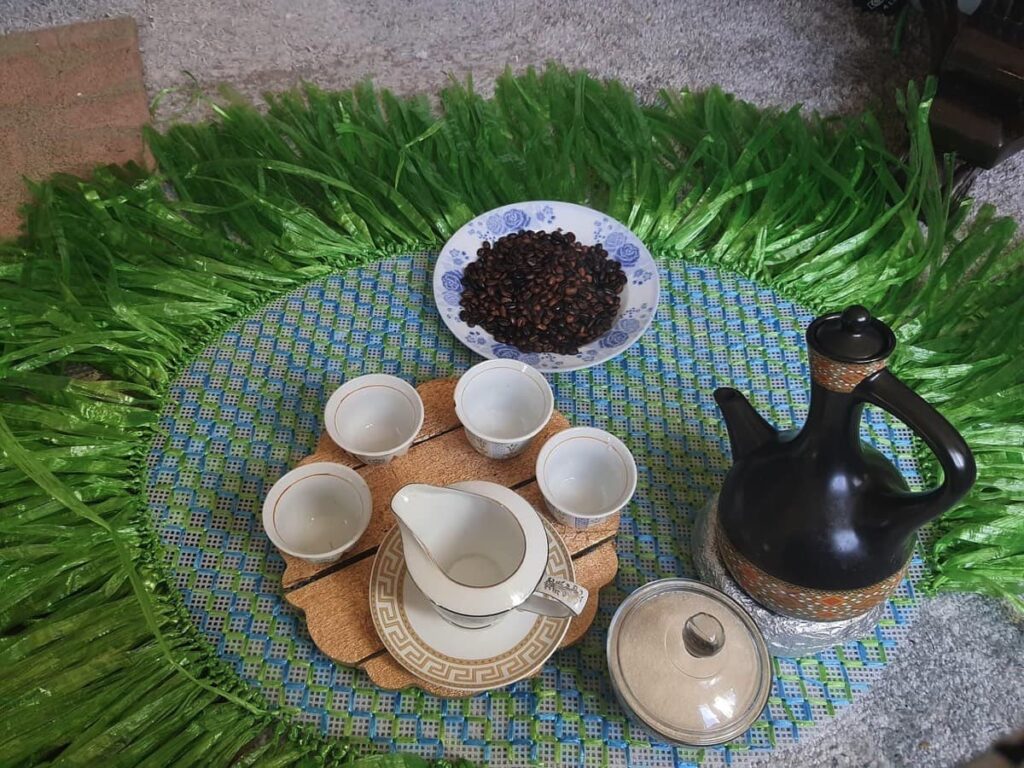
3. How to Taste and Brew
Tasting Steps
- Smell the aroma: Notice floral, fruity, and honey notes
- Taste acidity: Observe the balance between brightness and softness
- Evaluate the finish: Experience tea-like and chocolatey lingering notes
Recommended Brewing Methods
- Pour-over: Best for highlighting Yirgacheffe’s floral aroma and crisp acidity
- French Press: Suitable for Sidamo and Guji, emphasizing fruitiness and body
- Espresso: Brings out chocolate and honey sweetness
4. Conclusion: Discovering Another Beauty of Coffee for Tea Lovers
For tea-loving Taiwanese, tasting Ethiopian coffee is like embarking on a new journey of flavor discovery. From the floral elegance of Yirgacheffe to the layered fruitiness of Guji, specialty coffee, like premium tea, embodies rich terroir, meticulous craftsmanship, and depth that invites careful appreciation.
Coffee is not just a pick-me-up—it is, like tea, an art, a culture, and a pursuit of quality.
5. Houyun Coffee: Inviting Tea Lovers to Savor the Beauty of Coffee
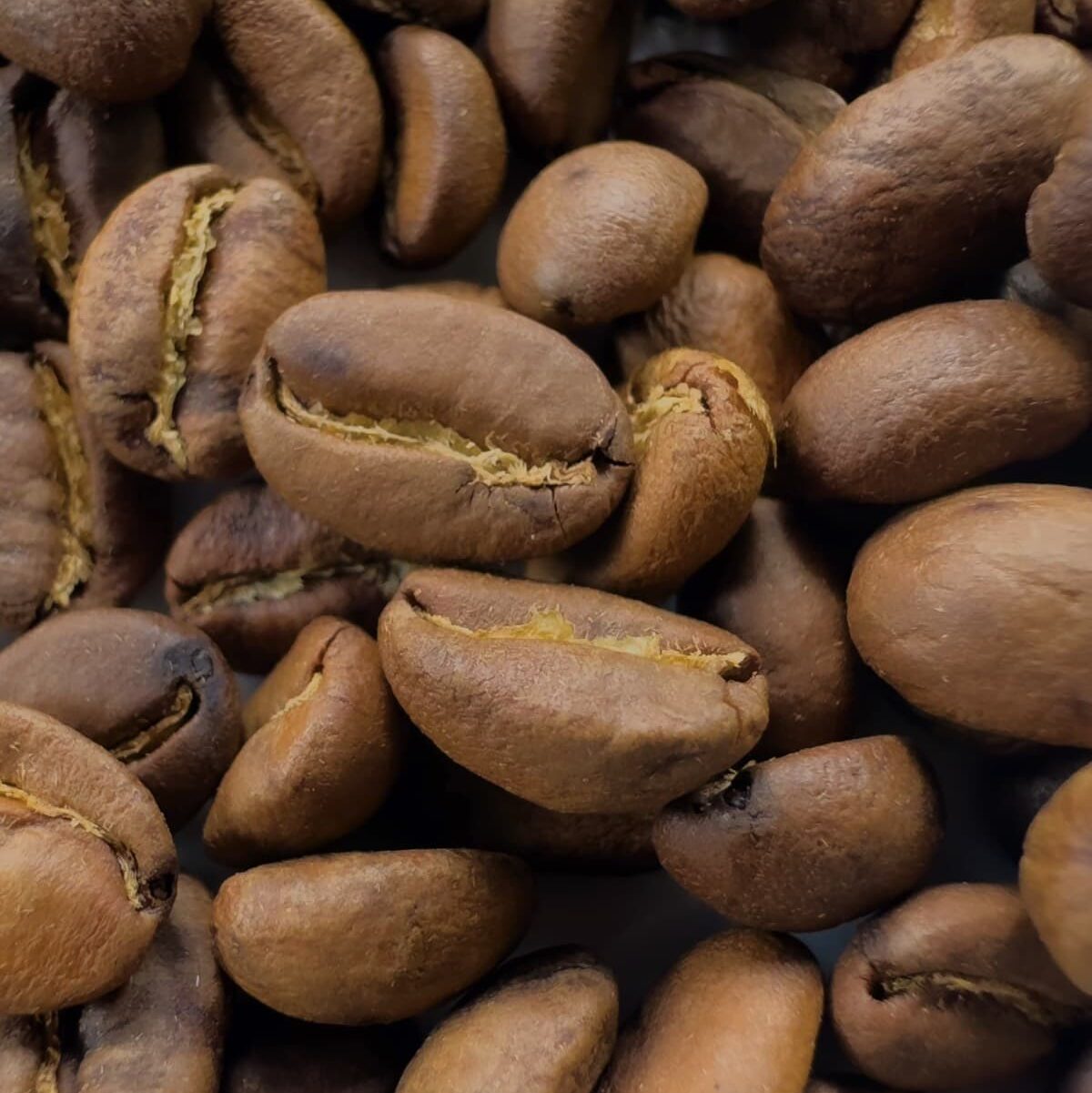
Houyun Coffee believes that coffee, like tea, deserves to be savored. We carefully select Ethiopian heirloom specialty beans and treat each coffee bean with the same care as fine tea leaves, bringing this ancient flavor experience to Taiwan. Tea lovers can discover the same level of quality and nuance in coffee.
Explore now → houyuncoffee.com