
Kenyan Coffee: From Highland Soil to Your Coffee Cup
Summary
Kenyan coffee is renowned for its bright acidity, rich fruit aroma, and multi-layered flavors. In Taiwan, tea culture is more prevalent, and its history and production techniques are relatively unknown. From producer stories and processing methods to brewing techniques and brand value, this guide fully showcases the charm of Kenyan coffee.
Table of Contents
- Origins and History of Kenyan Coffee
- Small Farmers, Cooperatives, and Origin Stories
- Grades, Varieties, and Processing Methods
- Flavor Characteristics and Cupping Experience
- Brewing the Perfect Coffee at Home
- Why Choose HouYun Coffee
- Conclusion
1. Origins and History of Kenyan Coffee
The story of Kenyan coffee began in the late 19th century when missionaries introduced coffee plants to the Kenyan highlands. During the colonial period and after independence, coffee gradually became an important export crop.
In 1933, the Kenyan government established the Coffee Board, implementing an auction system and grading standards, laying the foundation for Kenya’s reputation for high-quality coffee in the global market.
2. Small Farmers, Cooperatives, and Origin Stories
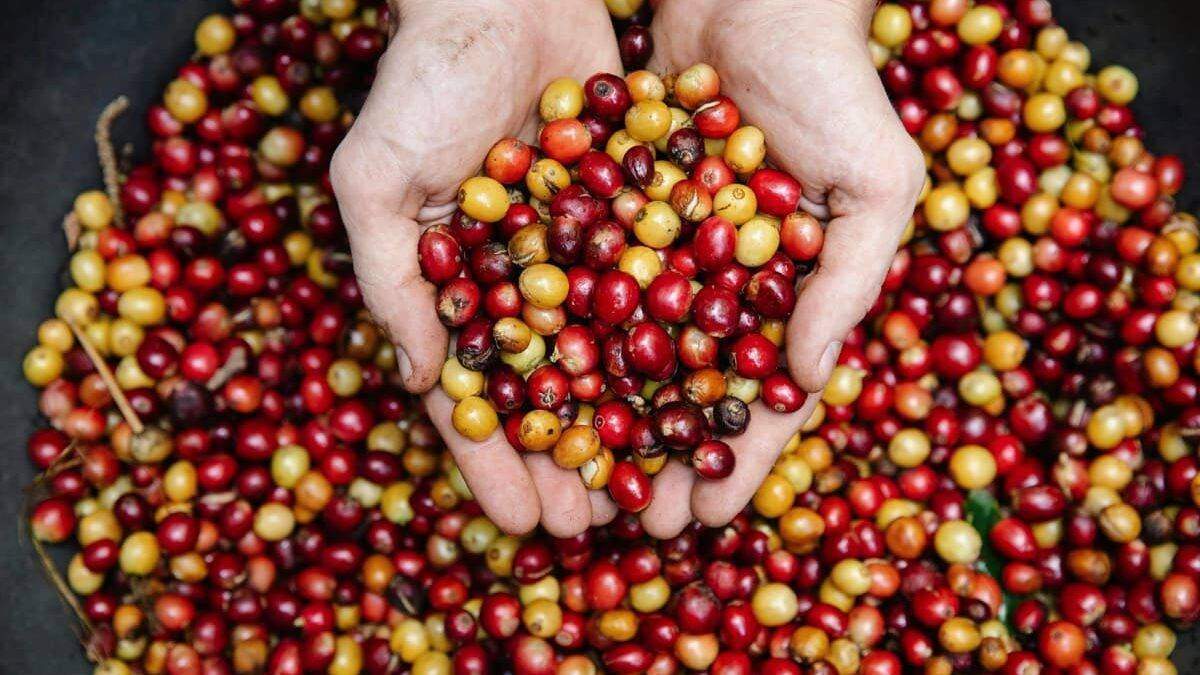
In Kenya, most coffee is grown by small farmers. They send the coffee cherries to cooperative-run washing stations for fermentation and drying. This system ensures that farmers receive fair compensation while maintaining flavor traceability, giving each cup of coffee a unique regional character.
For example, the Karimikui factory is part of the Rungeto Farmers Cooperative, carefully managing each step from washing, fermentation, drying to packaging, ensuring the coffee has a clean and bright taste. Karimikui AA typically presents bright citrus acidity, blackberry aroma, and honey sweetness, reflecting the unique style of the Kenyan highlands.
Just like enjoying quality tea leaves in Taiwan, tasting Kenyan coffee is not only a sensory pleasure but also a connection with the land, culture, and people.
3. Grades, Varieties, and Processing Methods
Grade: Kenya AA
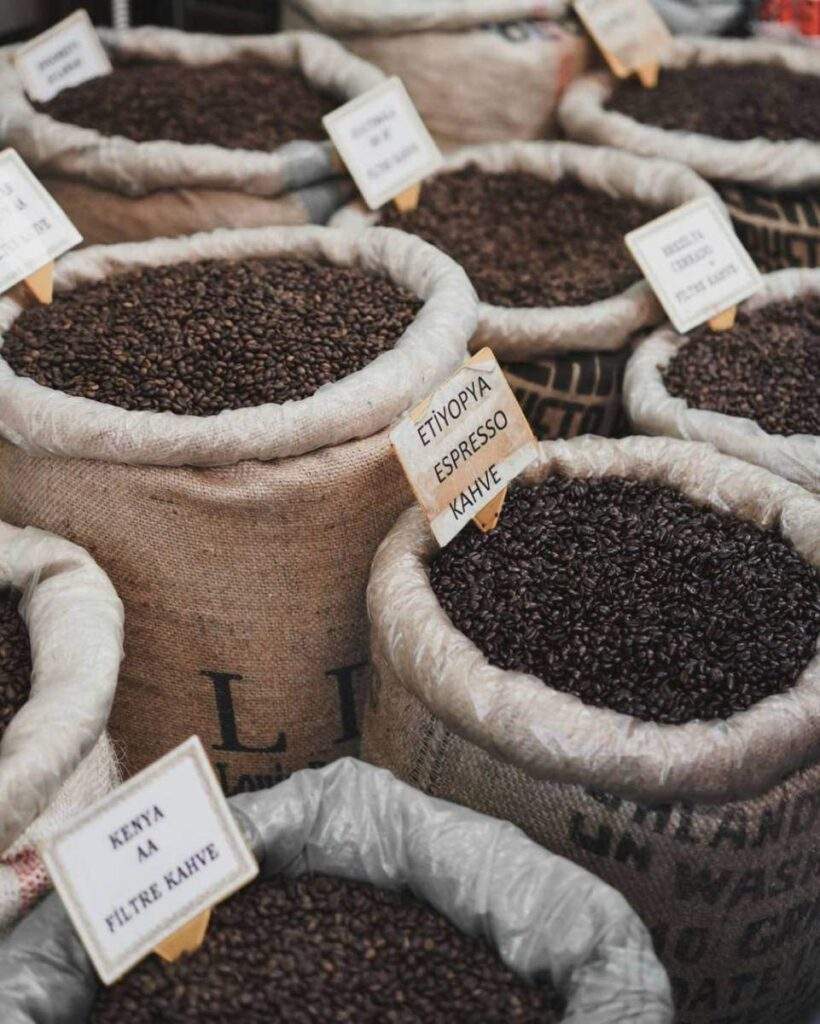
“AA” is Kenya’s most famous grade, representing large and high-density coffee beans (usually screened above size 18). This grade of coffee has concentrated flavors and bright acidity, and is highly sought after in international auctions. HouYun Coffee invites you to experience the rich flavors and high quality of Kenya AA beans at our Kaohsiung store.
Varieties: SL-28, SL-34, and New Generation Varieties
Classic Kenyan varieties like SL-28 and SL-34 are known for their bright acidity and clean sweetness. Emerging varieties like Ruiru 11 and Batian combine disease resistance with stable yields, showcasing the spirit of continuous innovation in Kenyan coffee.
Processing Method: Washed and Double Fermentation
Kenyan coffee is characterized by “double fermentation washed.” After the pulp is removed, the cherries undergo two rounds of fermentation and multiple washings, finally drying on raised beds, bringing a brighter acidity and clean taste.
4. Flavor Characteristics and Cupping Experience
Kenyan coffee is famous for its complex layers and bright acidity. Common flavors include: – Blackcurrant, red berry, citrus, lemon – Honey sweetness, brown sugar aroma – Distinct fruit acidity, long-lasting aftertaste – Refreshing and layered fruit aroma
For example, coffee beans from the Nyeri region usually have grapefruit and blackberry flavors, while beans from the Kirinyaga region may exhibit tomato acidity and a subtle floral aroma. These differences stem from climate, soil, and processing details, making Kenyan coffee full of charm.
HouYun Coffee showcases these flavors through precise roasting. Each sip offers a taste of bright, refreshing fruitiness and a delicate, smooth texture.
5. Brew Perfect Kenyan Coffee at Home
Kenyan coffee is suitable for pour-over methods, highlighting its fruity notes and aroma. Recommended parameters:
| Method | Coffee to Water Ratio | Water Temperature | Brewing Time | Grind Size |
|---|---|---|---|---|
| V60 Pour Over | 1:15–1:17 | 90–94°C | 2.5–3.5 minutes | Medium-Fine |
| Pour Over Kettle | Same as above | About 92°C | About 3 minutes | Medium |
| Aeropress | 1:14–1:16 | 93°C | About 2 minutes | Fine |
It is recommended to use freshly ground coffee beans, preheat the equipment, wet the filter paper first, pour water in stages, and allow for proper blooming. These steps can make the fruity aroma and sweetness of Kenyan beans more clearly present.
6. Why Choose HouYun Coffee
Source transparency, quality assurance
Each batch of Kenyan coffee beans is labeled with the farm, altitude, processing method, and roasting date to ensure traceable flavor.
Freshly Baked, Pure Flavor
Sealed with nitrogen packaging to maintain freshness, ensuring every sip delivers the original flavor.
Knowledge and Experience Combined
We don’t just sell coffee; we also offer brewing lessons, flavor notes, and cultural stories, allowing every customer to truly understand the value of “good coffee.” At our Kaohsiung store, we provide tasting experiences, inviting you to explore the layers and aromas of Kenyan coffee. From bright fruit acidity to honey sweetness, you can fully experience the richness of coffee.
From Tea Culture to Coffee Culture
Taiwanese people’s respect for tea can naturally extend to coffee. HouYun Coffee hopes to become a bridge, allowing more people to discover that coffee, like tea, is worth appreciating and savoring with care.
7. Conclusion
A cup of Kenyan coffee connects the African highlands, the efforts of farmers, and the passage of time. When you brew that bright, fruity coffee in Taiwan, you are resonating with the land on the other side of the world.
Hope this cup of coffee is not just a daily pick-me-up, but a journey through flavors, culture, and human connections.